Table of Contents
Understanding the complete process helps homeowners know what to expect when working with an integrated service provider. In Part 1 of our guide, we explored when to replace your roof if you have solar panels. In Part 2, we covered the benefits of working with one company. Now, we’ll walk through the process of doing a roof replacement with solar panels that need to stay.
Here’s how the roof replacement with solar panels process typically unfolds:
1. Comprehensive System Assessment
Before any work begins, a thorough evaluation of both systems is conducted:
Solar panel system inspection:
- Documentation of current panel layout and performance
- Testing of electrical components and connections
- Assessment of mounting hardware condition
- Identification of any components needing repair or upgrade
Learn more about our comprehensive solar power installation services.
Roof condition assessment:
- Comprehensive evaluation of roofing materials
- Roof inspection of structural issues or water damage needing roof repair
- Inspection of attic ventilation and insulation
- Documentation of areas requiring special attention during reinstallation
Explore our residential roofing services to learn more about our expertise with various roof styles.
2. Customized Project Planning
Based on the assessment, a detailed plan is developed that addresses:
- Timeline development with clear milestones
- Material selection for optimal roof-solar integration
- Permitting requirements for both roofing and solar work
- Equipment and storage needs for removed panels
- Potential system upgrades to improve performance
3. Professional Solar Panel Removal
Trained technicians carefully remove the existing solar array:
- System shutdown following proper electrical protocols
- Labeled disconnection of all electrical components
- Careful removal of mounting hardware to prevent roof damage
- Secure packaging and storage of panels and equipment
- Detailed documentation of the original configuration
4. Complete Roof Replacement
With panels safely removed, roofing specialists:
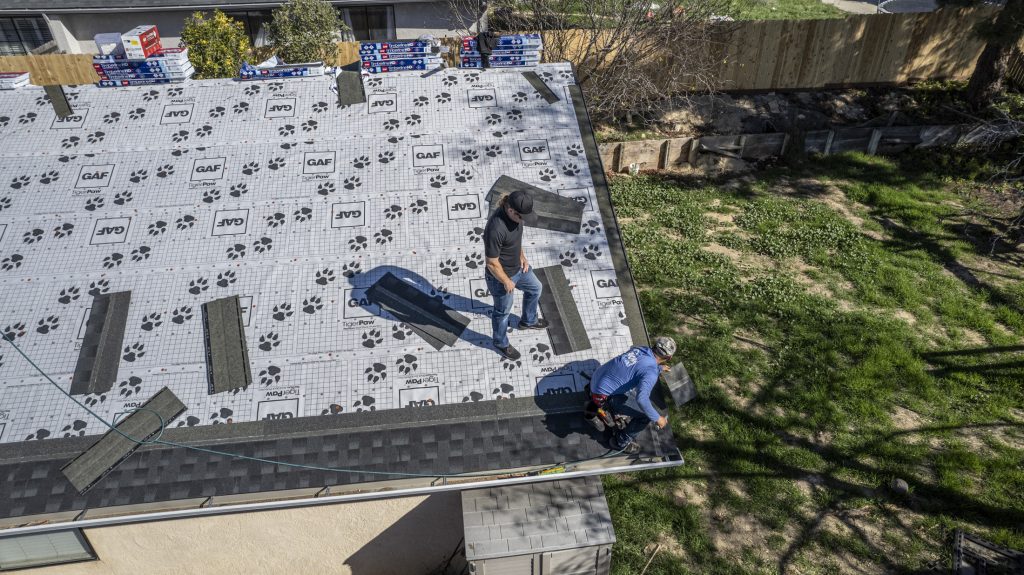
- Remove existing roofing materials down to the decking
- Repair or replace damaged decking as needed
- Install new underlayment and water barriers
- Apply selected roofing materials (asphalt shingles, tile, metal)
- Install enhanced flashing around future mounting points
- Complete all necessary inspections before panel reinstallation
For more information about our roof replacement expertise, visit our residential roof replacement page.
5. Optimized Solar Panel Reinstallation
Once the new roof is complete, the solar system is reinstalled with attention to:
- Enhanced mounting systems properly integrated with the new roof
- Optimized panel placement for maximum energy production and energy savings
- Weather-tight sealing around all roof penetrations
- Upgraded wiring and connections where beneficial
- Proper grounding and safety features
According to the Solar Energy Industries Association, proper reinstallation of solar panels following roof replacement is critical for maximizing system performance and ensuring long-term reliability.
6. System Testing and Activation
Before considering the project complete:
- Comprehensive electrical testing with thorough inspection
- Verification of proper system operation under various conditions
- Documentation of final system configuration for warranty purposes
- Obtaining necessary final inspections and approvals
- Coordination with the utility company for meter reconnection
7. Final Walkthrough and Documentation
To ensure complete satisfaction:
- Providing complete project documentation
- Reviewing system operation and maintenance requirements
- Explaining all warranties covering both roof and solar components
- Answering any questions about the newly integrated solar energy system
- Scheduling any follow-up inspections or maintenance visits
Preparing for a Smooth Process: Homeowner Tips
To ensure your roof replacement with solar panels process goes as smoothly as possible:
- Gather documentation: Collect all paperwork related to your original solar installation and roof.
- Energy planning: Prepare for temporary grid connection during your system’s downtime.
- Clear access: Ensure clear pathways to your electrical panel and roof access points.
- Trim vegetation: Cut back trees or shrubs that might impede work access.
- Inform neighbors: Give neighbors a courtesy heads-up about the upcoming project.
- Secure valuables: Protect any fragile items that might be affected by roof work vibrations.
- Plan for pets: Make arrangements to keep pets safe and comfortable during the work.
Looking for expert guidance on your roof replacement with solar panels project? Contact us for a comprehensive assessment and detailed quote for your specific situation. Serving all of San Luis Obispo County and surrounding areas with integrated roofing and solar solutions.