For most California homeowners, the average cost of a residential solar installation falls between $15,000 and $30,000 before incentives and tax credits are applied. In San Luis Obispo County, that range is consistent with state averages, though higher labor costs and regional permitting fees can influence the final price.
The average system size for a California home is around 6 to 8 kilowatts. A 6 kW system typically costs between $15,000 and $20,000, while larger systems designed to offset higher electricity bills can reach $25,000 to $30,000 or more. Your solar installer will size the system based on your energy consumption, roof orientation, and shading conditions.
How Much Does It Cost to Install Solar Panels?
Hard Costs vs. Soft Costs
Solar panel installation costs are divided into two categories:
Hard costs include the physical components of your solar energy system:
- Solar panels and racking hardware
- Inverters (string inverters, microinverters, or power optimizers)
- Solar batteries or battery storage systems, if included
- Electrical systems and wiring
- EV charger integration if applicable
Soft costs cover everything else:
- Permits and inspections
- Labor costs for installation
- System design and engineering
- Utility company interconnection fees
- Sales and administrative overhead
According to the National Renewable Energy Laboratory, soft costs now account for a significant portion of total solar installation costs in the United States, which is one reason why working with experienced local solar installers matters for getting a fair overall cost.
What Affects Your Solar Panel Cost in San Luis Obispo?
Several factors influence your total price beyond just the size of the system.
Energy Consumption
The higher your monthly electricity bills, the larger the system you’ll likely need to offset them. California homeowners, particularly those served by PG&E, face some of the highest electricity prices in the country. Reviewing 12 months of utility bills gives your installer an accurate picture of your energy use and helps right-size your solar array.
Roof Space and Condition
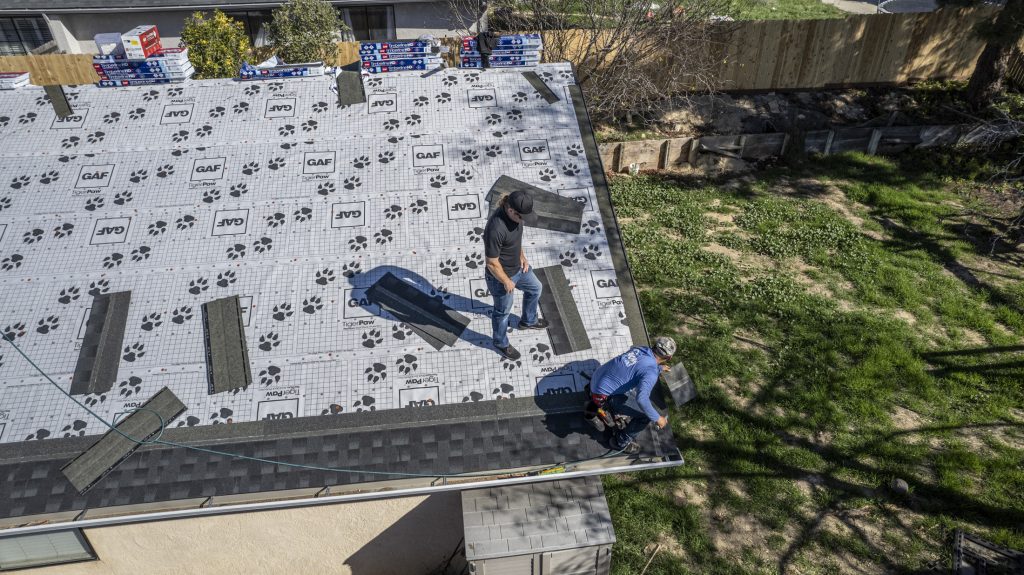
Available roof space directly impacts how many panels can be installed. Homes with limited usable roof area may require higher-efficiency panels, which can increase the average price per watt. A roof nearing the end of its lifespan may also need to be replaced before or alongside your solar panel installation project, which affects overall costs but avoids the expense of removing and reinstalling panels later.
Learn more about the roof requirements for solar panels in our Roof Requirements for Solar Panels Explained: Complete Guide blog.
Battery Storage
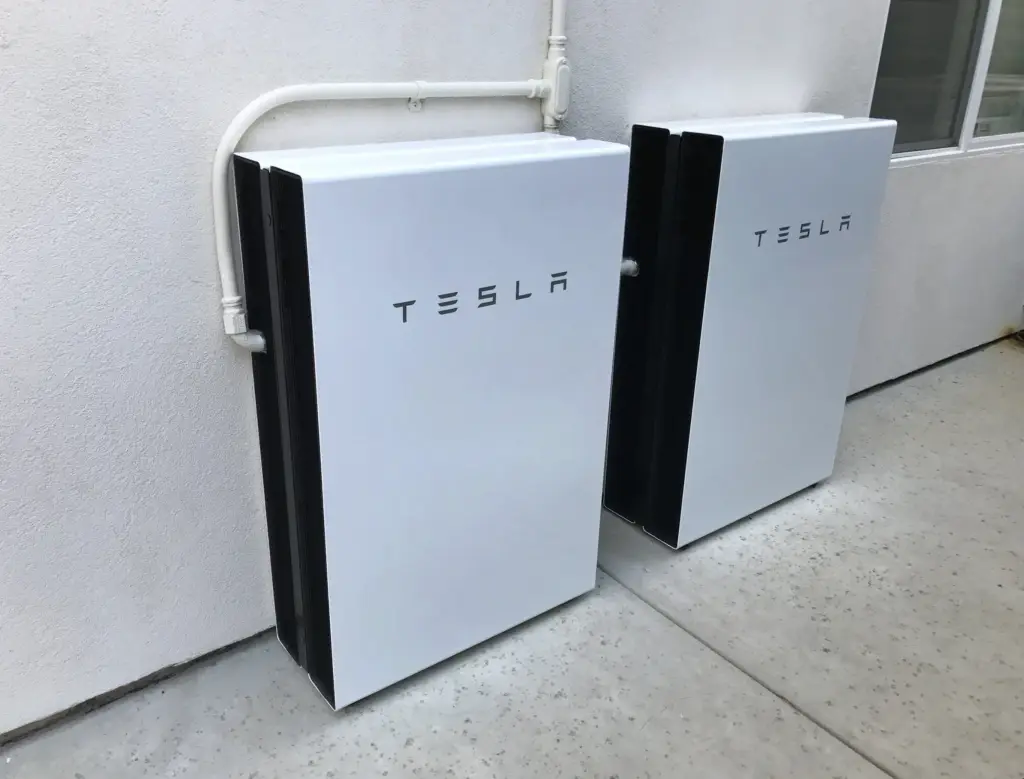
Adding solar batteries to your system increases upfront costs but improves energy efficiency and resilience. A solar battery system allows you to store excess solar energy generated during the day for use at night or during grid outages. For Central Coast homeowners looking to reduce reliance on the utility grid, home battery storage is an increasingly popular addition.
Type of Solar Equipment
Panel brand, wattage, and efficiency ratings all affect solar panel cost. Premium equipment carries a higher price tag but often delivers better performance and longer warranties. Your installer should walk you through the trade-offs between cost savings and equipment quality.
Incentives That Lower Your Solar Installation Costs
California homeowners have access to several programs that significantly reduce the cost of going solar.
Federal Solar Tax Credit
The federal solar tax credit, also known as the federal investment tax credit, allows you to deduct 30 percent of your solar installation costs from your federal taxes. This applies to panels, battery storage, and eligible soft costs. It is one of the most impactful available incentives for reducing your total cost and is currently available through 2032 under the Inflation Reduction Act.
Net Metering
Net metering allows you to send excess electricity back to the utility company in exchange for bill credits. While the California Public Utilities Commission updated net metering rules in recent years through NEM 3.0, solar customers who pair their systems with battery storage can still benefit meaningfully from the program.
Local Incentives and Programs
Beyond the federal tax credit, local governments and utilities occasionally offer additional local programs and rebates. San Luis Obispo County homeowners should ask their solar installers about any local incentives available at the time of installation, as these programs change periodically.
How to Pay for Your Solar System
There are several ways to finance a residential solar installation:
- Cash purchase: The highest upfront costs but the greatest long-term savings and fastest payback period
- Solar loan: Allows you to own the system with little to no money down and build equity while your energy bill decreases
- Home equity loan: Uses your property value to secure financing at potentially lower interest rates
- Solar lease or power purchase agreement: Lower upfront costs, but you do not own the system or receive the federal tax credit
For most property owners focused on maximizing cost savings, a solar loan or cash purchase tends to deliver the best return over the life of the system.
Is Solar Worth It for Central Coast Homeowners?
With some of the highest electricity prices in the country and abundant sunshine, California homeowners are well-positioned to benefit from solar. The combination of the federal solar tax credit, net metering, and rising electricity costs means that most residential installations pay for themselves within 7 to 10 years and generate significant savings over a 25-year lifespan. Reducing your carbon footprint is an added benefit that matters to many SLO homeowners as well.
Ready to Get a Solar Estimate in San Luis Obispo?
At Axiom 360, we are a certified Tesla Powerwall installer and trusted solar and roofing company serving San Luis Obispo County, including Arroyo Grande, Paso Robles, Nipomo, and Oceano. We offer financing options with $0 down and back every installation with a 25-year workmanship warranty. Contact us today to schedule your free solar estimate and find out exactly what a system would cost for your home.