How long does a roof replacement take? For most homeowners on the Central Coast, the answer is one to three days. That said, the actual timeline for your project depends on several factors specific to your home, your roofing material, and even the time of year you schedule the work.
This guide walks you through what to expect at every stage of the process so you can plan your roof replacement accordingly and avoid surprises.
Table of Contents
How Long Does a Roof Replacement Take? The Typical Roof Replacement Timeline
For a standard single-story home with asphalt shingle roofing, an experienced roofing crew can often complete the full job in a single day. Larger homes, steeper roof pitches, or more complex roofing materials will naturally require more time. Here is a general breakdown by roof type:
- Asphalt shingles: 1 to 2 days
- Metal roofing: 2 to 4 days
- Clay or concrete tile: 3 to 5 days or more
- Synthetic tile: 2 to 4 days
These are estimates for the installation phase only. The complete project, from your initial consultation to final cleanup, involves a few additional steps.
Phase 1: Inspection and Scheduling
Before any shingles are pulled, your roofing contractor will assess the current condition of your roof. This typically involves a physical inspection or a drone inspection to evaluate the decking, flashing, gutters, and any areas of existing damage.
After the roof inspection, you will receive a project estimate. Scheduling can vary depending on the time of year and your contractor’s current workload. During peak season, it is not unusual to wait one to three weeks before your installation date.
What Happens During a Drone Inspection
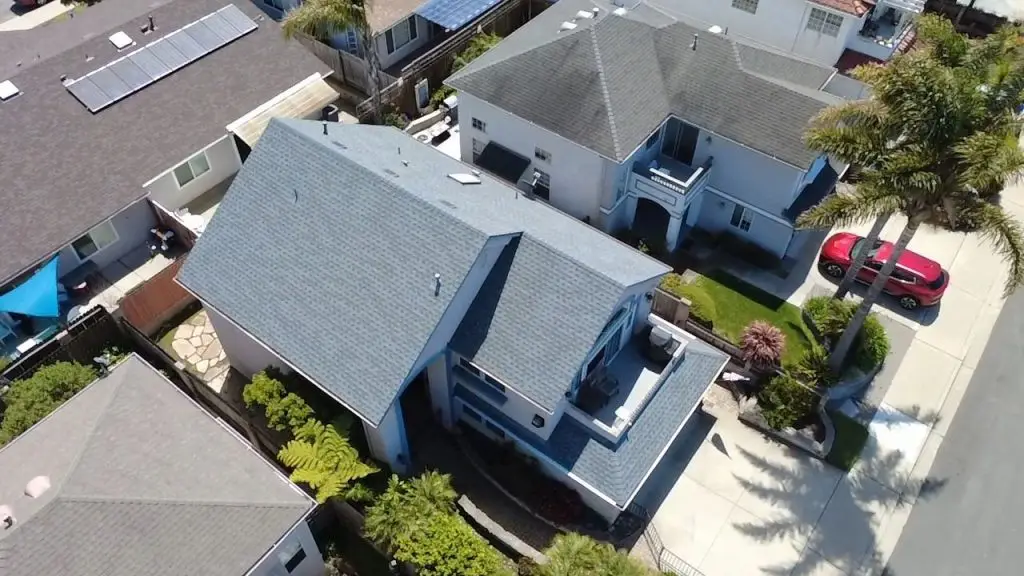
Drone inspections give roofing contractors a detailed aerial view of your roof without anyone needing to climb up. This technology captures high-resolution images of your ridge line, valleys, flashing points, and field shingles, allowing for a more thorough assessment than a traditional walkthrough in many cases.
Phase 2: Material Ordering and Delivery
Once your estimate is approved and your project is scheduled, your roofing contractor will order your materials. Most standard roofing products are available within a few days, though specialty materials like premium luxury shingles, impact-resistant shingles, or certain tile profiles may require a longer lead time.
Materials are typically delivered to your home one to two days before installation begins. You can expect a pallet or two of shingles, underlayment, drip edge, and related components to arrive in your driveway or along the side of your home.
Learn the best roofing materials for California weather here: What is the Best Roofing Material for CA’s Central Coast?
Phase 3: Installation Day
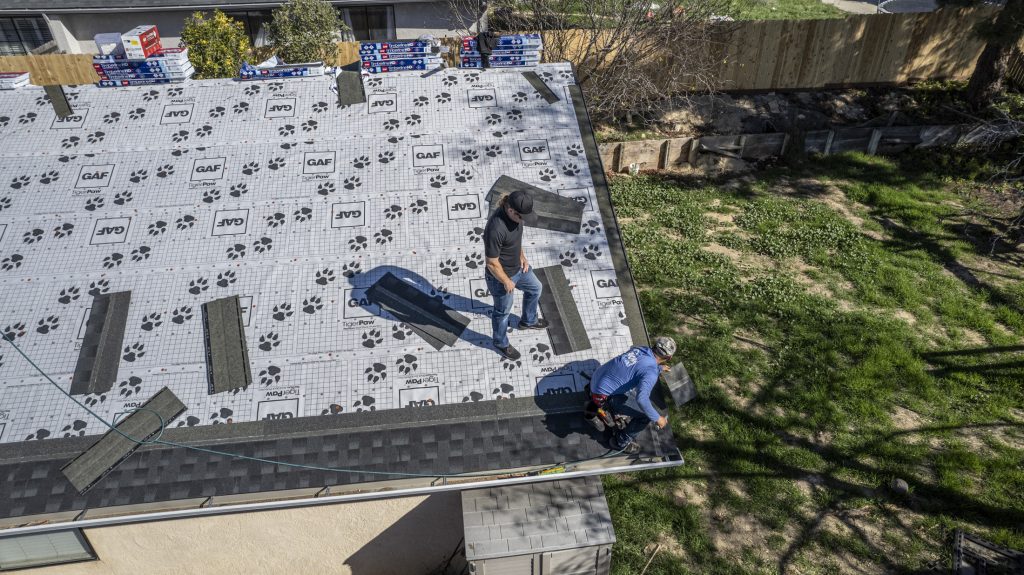
Installation day is where most of the visible work happens. A standard residential roof replacement follows this general sequence:
- Removing the existing roofing material down to the decking
- Inspecting and repairing the roof deck as needed
- Installing underlayment and ice and water shield in vulnerable areas
- Installing drip edge along the eaves and rakes
- Laying the new roofing material from the bottom up
- Installing flashing around chimneys, skylights, and penetrations
- Completing ridge cap installation
For a typical asphalt shingle roof, this entire process is completed within a single workday for crews that are well-organized and fully staffed.
Factors That Can Extend Installation Time
Several conditions can push a one-day job into two or three days. It is important to understand these variables before setting your expectations:
- Roof size and pitch: A steep or complex roof takes longer to navigate safely and requires more material management.
- Decking repairs: If the wood decking beneath your old shingles has sustained rot or water damage, repairs are made before new material is installed. This adds time but is essential for the long-term performance of your new roof.
- Layover situations: While tear-off and replacement is the industry standard, homes with multiple existing shingle layers require more labor to strip properly.
- Weather delays: Central Coast weather is relatively mild, but marine layer, coastal fog, and the occasional storm can push timelines. Rain and wind are legitimate reasons to pause or reschedule installation to protect the integrity of your new roof.
Phase 4: Cleanup and Final Walkthrough
Once installation is complete, your crew will perform a thorough cleanup of your property. This includes using magnetic rollers to collect nails from your lawn and landscaping, removing all old roofing materials, and conducting a final visual inspection of the completed work.
Most homeowners can expect this phase to take a few hours on the final day of the project. Before your crew leaves, it is worth walking the property yourself to confirm all debris has been cleared and that gutters and downspouts are free of material.
How Central Coast Conditions Affect Your Roofing Timeline
Homes located near the coastline in communities like Oceano, Grover Beach, and Avila Beach face elevated exposure to salt air and moisture. These conditions can accelerate the deterioration of certain roofing materials and may increase the likelihood that your decking will need repair work during the replacement process.
Inland communities like Paso Robles and Atascadero contend with wider temperature swings and seasonal heat, which affect how adhesive strips on shingles seal down after installation.
Understanding these regional factors helps set realistic expectations and underscores why working with a contractor who knows the Central Coast is valuable.
Ready to Get Started?
Axiom 360 is a family-owned roofing company serving San Luis Obispo County since 2018. We are GAF certified and back all of our roof replacements with a 25-year workmanship warranty. Financing is available through GoodLeap with $0 down, and we offer free estimates with a response within 24 hours. Contact us today to schedule your inspection and find out exactly what your project timeline looks like.
Related: Residential Roof Repair and Roof Replacement Guide in the Central Coast