As a solar homeowner on the Central Coast of beautiful sunny California, you’ve likely experienced the frustration of receiving your annual true-up bill from the utility – that end-of-year statement from utilities like PG&E or SCE where any net energy deficit gets settled, often resulting in an unexpected charge. In 2026, under the Net Billing Tariff (formerly known as NEM 3.0), export credits for excess solar energy are compensated at much lower wholesale rates – sometimes as little as $0.05 to $0.10 per kWh – while you’re still paying full retail rates (around $0.30 to $0.50/kWh during peak time) for imported power from the grid. This mismatch can lead to average true-up annual bill of about $600 for residential customers, even with a well-sized solar system.
But here’s the good news!
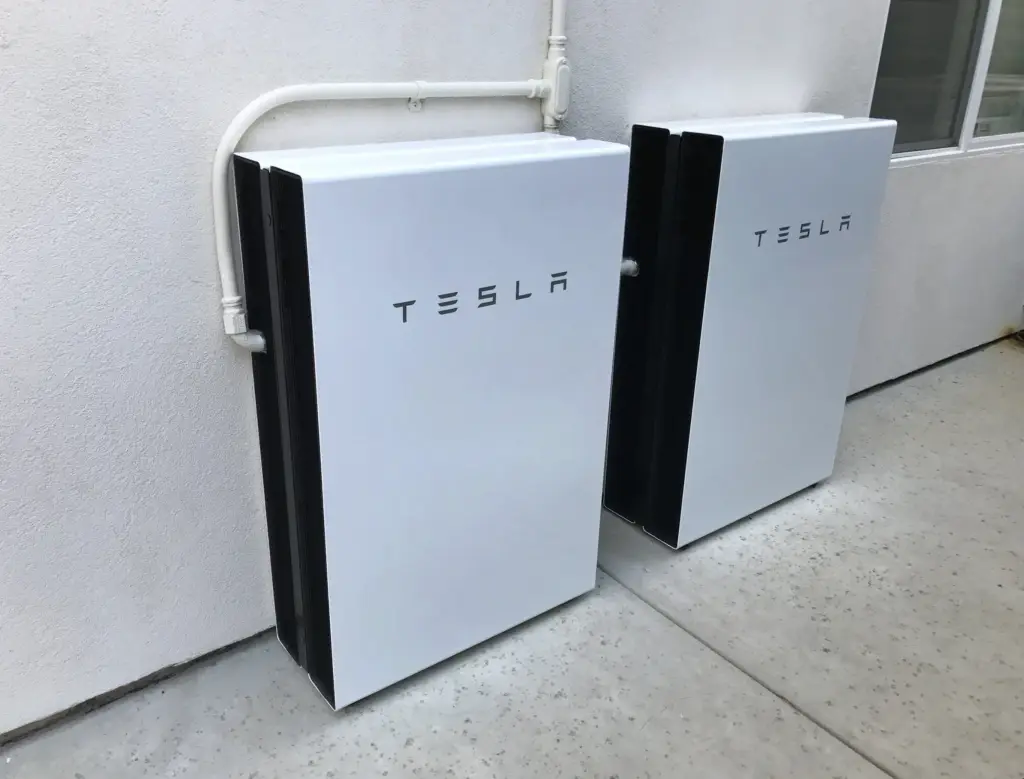
Upgrading your solar setup with battery storage (Ex: Tesla Powerwall) can virtually eliminate these bills by maximizing self-consumption of your generated energy. We are going to break down how batteries work to tackle true-up charges, share real-world savings examples to help you assess your potential benefits. If you’re in high-cost areas like San Luis Obispo County or Santa Barbara County, where PG&E rates continue to climb, this upgrade could be a game-changer.
How Net Metering Is Evolving: Three Changes You Need to Know
1. What Is a True-Up Bill and Why Does It Sting?
A true-up bill is your utility’s annual reconciliation statement, issued at the end of your 12-month billing cycle. It accounts for any surplus energy your solar panels exported to the grid (credited at low rates) versus what you imported (charged at full retail). For many, this results in a lump-sum payment because solar production doesn’t always align with household usage – think excess generation during sunny afternoons when you’re at work, followed by evening imports when rates are highest. It’s important to check the monitoring app on your solar system to assess production, usage and utilize the energy appropriately to avoid extra charges.
2. In California, the shift to NEM 3.0 has exacerbated the True-Up
Monthly credits from the utility no longer fully offset charges, and non-by passable fees (like transmission costs) add up at true-up. Homeowners with electric vehicles, pools, or increased remote work loads often see even higher bills, sometimes exceeding $2,000 annually. Expanding your solar array alone might help, but adding batteries is the most effective way to “zero out” that true-up by storing and using your own power strategically.
3. How Solar Batteries Eliminate True-Up Bills
Solar batteries, like Tesla Powerwalls or Enphase systems, store excess daytime solar energy for use during evenings, overnight, or peak-demand periods when grid power is expensive. Instead of exporting surplus at pennies per kWh and buying back at dollars, you consume your own stored energy – directly reducing imports and minimizing true-up deficits.
For example, in PG&E territory, batteries can be programmed to charge from solar during low-rate times and discharge during Time-of-Use (TOU) peaks, avoiding those $0.40+ per kWh charges. Programs like the Residential Storage Self-Consumption Incentive (RSSE) even offer rebates to offset installation costs, making it more accessible in 2026. Users report negating almost all import charges with just two additional batteries on an existing system.
Tesla and PGE are offering rebates as well, reach out to us to see if you qualify!