Roof Requirements for Solar Panels Explained: A Complete Guide for California Homeowners
Roof requirements for solar panels are the first thing to evaluate before committing to a solar installation. Many California homeowners are eager to take advantage of the state’s abundant sunshine and generous solar incentives, but skipping this step can lead to costly surprises down the road. Before panels go up, your roof needs to be in the right condition, made of the right material, and positioned to actually perform.
This guide breaks down everything you need to know so you can go into the solar process with confidence.
Table of Contents
What Are the Roof Requirements for Solar Panels?
Solar panel installations are a long-term investment, typically lasting 25 to 30 years. That means your roof needs to be able to support them for the long haul. Installers evaluate several key factors before approving a roof for solar, and understanding these criteria ahead of time can save you time and money.
The core requirements include:
- Roof age and remaining lifespan
- Structural integrity and current condition
- Roofing material compatibility
- Roof pitch and orientation
- Available square footage and shading
Roof Age and Condition
How Old Is Too Old?
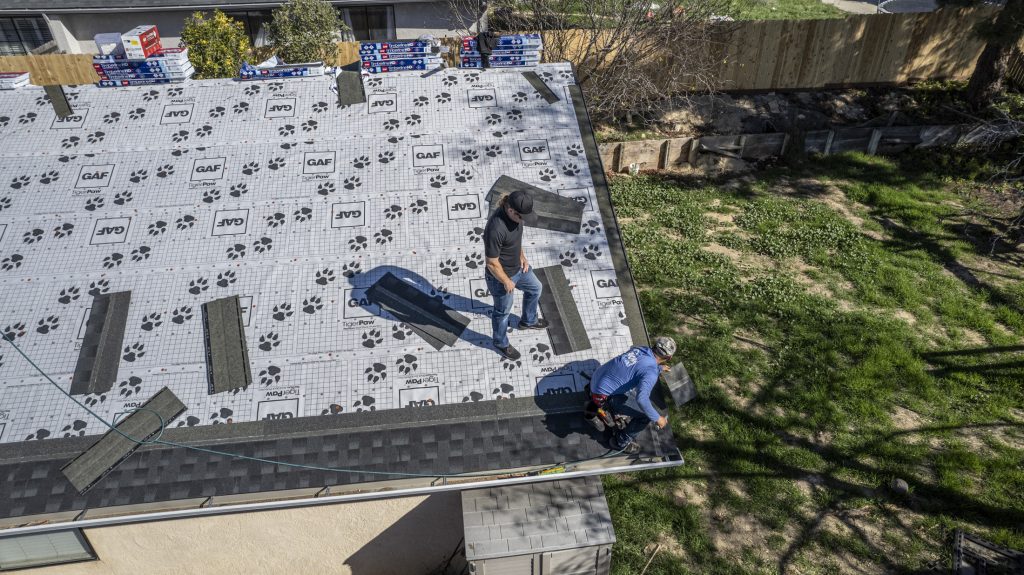
Most solar installers recommend that your roof have at least 10 years of useful life remaining before installation. If your roof is nearing the end of its lifespan, it makes more financial sense to replace it before adding panels. Removing and reinstalling solar equipment after the fact adds significant labor costs to what should be a straightforward re-roofing job.
A roof that is 15 years or older warrants a professional inspection before any solar project moves forward.
Learn more about when to replace your roof here: When Should You Replace a Roof Based on Age and Condition?
Signs Your Roof May Need Attention First
Even if your roof is not particularly old, condition matters just as much as age. A solar installer or roofing contractor should look for the following before approving an installation:
- Missing, cracked, or curling shingles
- Granule loss visible in gutters or on the ground
- Soft spots or sagging areas on the roof deck
- Water stains or signs of active leaks in the attic
- Damaged or deteriorating flashing around vents and chimneys
Addressing these issues before solar installation protects both your home and your investment.
Roof Material Compatibility
Best Roofing Materials for Solar Panels
Certain roofing materials are better suited for solar than others, both in terms of ease of installation and long-term performance. The most compatible options include:
- Asphalt shingles: The most common roofing material in California and the easiest for solar mounting. Architectural and impact-resistant asphalt shingles provide a solid, reliable base.
- Metal roofing: Standing seam metal roofs are highly compatible with solar because clamps can attach directly to the seams without penetrating the roof surface. This reduces leak risk considerably.
- Concrete tile: A widely used material in Central Coast communities, concrete tile can support solar panels but requires tile hooks and additional mounting hardware.
Learn more about popular roofing materials for California weather here: What is the Best Roofing Material for CA’s Central Coast?
Materials That May Require Special Considerations
Not all materials make installation straightforward. Clay tile, while beautiful and durable, is more brittle than concrete and can crack under the weight of standard mounting hardware if not handled carefully. Wood shake roofs present both a compatibility challenge and a fire risk concern, which is particularly relevant in California wildfire zones.
If you have an older or non-standard roofing material, consult with a contractor who has experience handling specialty roofs before moving forward.
Roof Pitch and Orientation
Ideal Angle for Maximum Solar Production
The pitch of your roof affects how efficiently your panels capture sunlight. In California, the optimal tilt angle for solar panels is generally between 15 and 40 degrees. Roofs with very low pitches can still support solar, but the panels may need to be mounted at an angle to maximize production. Very steep roofs can complicate installation and affect output depending on the direction the roof faces.
Most residential roofs fall within an acceptable pitch range, so this is rarely a dealbreaker.
Compass Direction Matters
South-facing roof sections produce the most solar energy in the Northern Hemisphere because they receive direct sunlight for the longest portion of the day. West-facing roofs are the second-best option and can actually be advantageous for homeowners trying to offset late-afternoon energy usage when utility rates are highest.
North-facing roof sections are generally not suitable for solar panel placement. East-facing sections can work but typically produce less energy overall compared to south or west orientations.
Roof Size, Structural Load, and Shading
How Much Roof Space Do You Need?
A typical residential solar panel measures roughly 17 to 18 square feet. Most California homes require between 15 and 25 panels depending on energy usage and panel wattage. That means you need somewhere between 300 and 450 square feet of usable, unobstructed roof space at a minimum.
Skylights, vents, chimneys, and HVAC equipment all reduce usable area and must be factored into the system design.
The Impact of Shading on Solar Performance
Even partial shading from trees, neighboring structures, or rooftop obstructions can significantly reduce your system’s energy output. Solar installers use tools like shade analysis software to map out how shadows move across your roof throughout the day and across seasons.
If shading is a concern, microinverters or power optimizers can help minimize the impact by allowing each panel to operate independently rather than having one shaded panel drag down the performance of the entire string.
Why It Often Makes Sense to Combine a Roof Replacement with Solar
For homeowners whose roofs are aging but still functional, timing a roof replacement alongside a solar installation is often the most cost-effective approach. You avoid the labor expense of removing and reinstalling panels later, and you start your solar journey on a fresh, warrantied roof surface. Many homeowners on the Central Coast take this approach to maximize both their roofing and solar warranties from day one.
Ready to Find Out If Your Roof Qualifies for Solar?
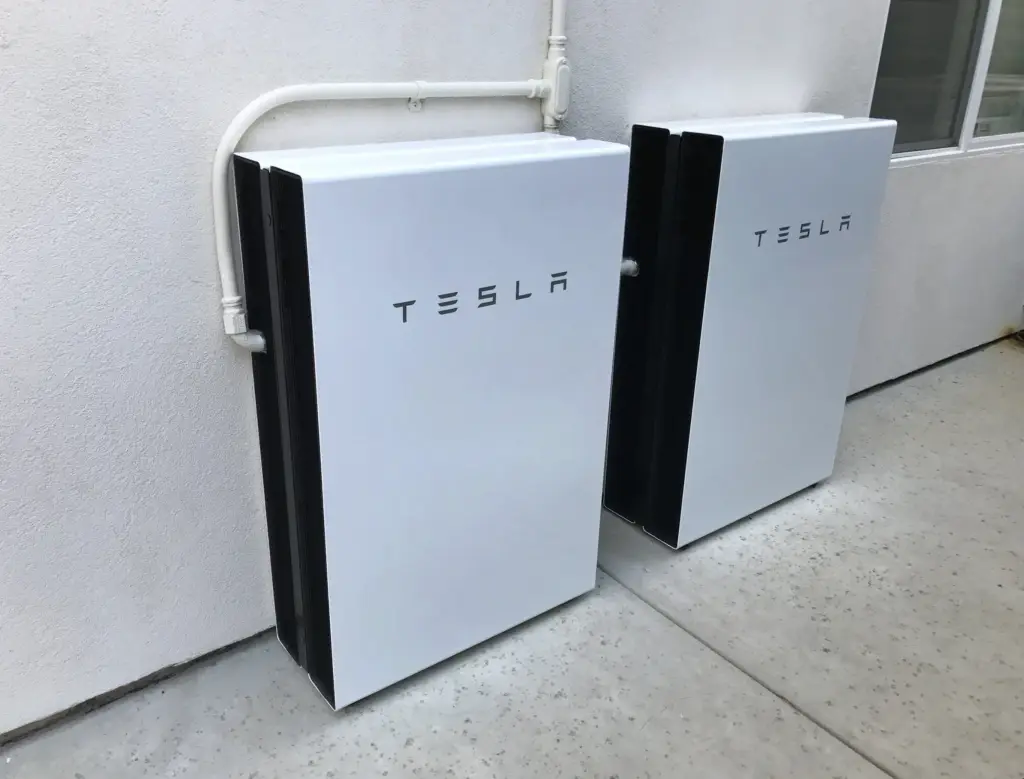
At Axiom 360, we handle both roofing and solar installations across San Luis Obispo County, including Arroyo Grande, Paso Robles, Nipomo, and Oceano. As a GAF Certified contractor and Certified Tesla Powerwall installer, we can assess your roof’s condition and solar readiness in a single visit. Financing options are available with $0 down, and we back our work with a 25-year workmanship warranty.
Contact Axiom 360 today to schedule your free estimate.
Related: Do Solar Panels Damage Roofing? Everything You Need to Know Before Installing